Non-Alcoholic Beer Is Holding Up the Beer Sector in 2026
This week's beer news isn't about some over-the-top IPA or a can with a fluorescent label. It's about something far more everyday: non-alcoholic beer.
The latest Socioeconomic Report on the Beer Sector in Spain, presented in July 2026 by Cerveceros de España and Spain's Ministry of Agriculture, delivers a clear message: beer consumption is shifting, and non-alcoholic beer is no longer a footnote.
According to figures released by the industry, sales of non-alcoholic beer grew 4.6% in the last closed fiscal year and now account for 14% of all beer consumed in Spain. In bar-speak: one in every seven beers drunk in the country is now alcohol-free.
Cadena SER summed it up with a pretty direct headline: non-alcoholic beer is holding up beer consumption in Spain. And it's not just a catchy line. It's a sign of where the hospitality industry is heading.
Non-Alcoholic Is No Longer Plan B
For a long time, ordering a non-alcoholic beer sounded like a mild punishment. Like “I'm driving tonight.” Like “just give me whatever.”
That's changing because the consumer changed too. These days more people don't think of alcohol or no-alcohol as a fixed identity, but as a decision for the moment. One day you want a full-strength IPA. Another day you want a cold 0.0 with your food. Another day you're coming from the beach, you're driving, you've got an early start, or you just fancy something lighter.
The most interesting figure in the report points that way: around 90% of people who drink non-alcoholic beer are also regular drinkers of alcoholic beer. In other words, we're not just talking about abstinence. We're talking about flexibility.
It's not about giving up beer. It's about expanding when and how beer gets drunk.
Spain Plays a Strong Hand in 0.0 Beer
Spain has been a very particular market for non-alcoholic beer for years now. In other countries it's still seen as an emerging trend; here it's pretty well woven into bar culture, terrace culture, food, and long after-meal chats.
The report places Spain as the leading European country in the consumption and production of non-alcoholic beer. What's more, one in every four alcohol-free beers ordered in the European Union is ordered in Spain.
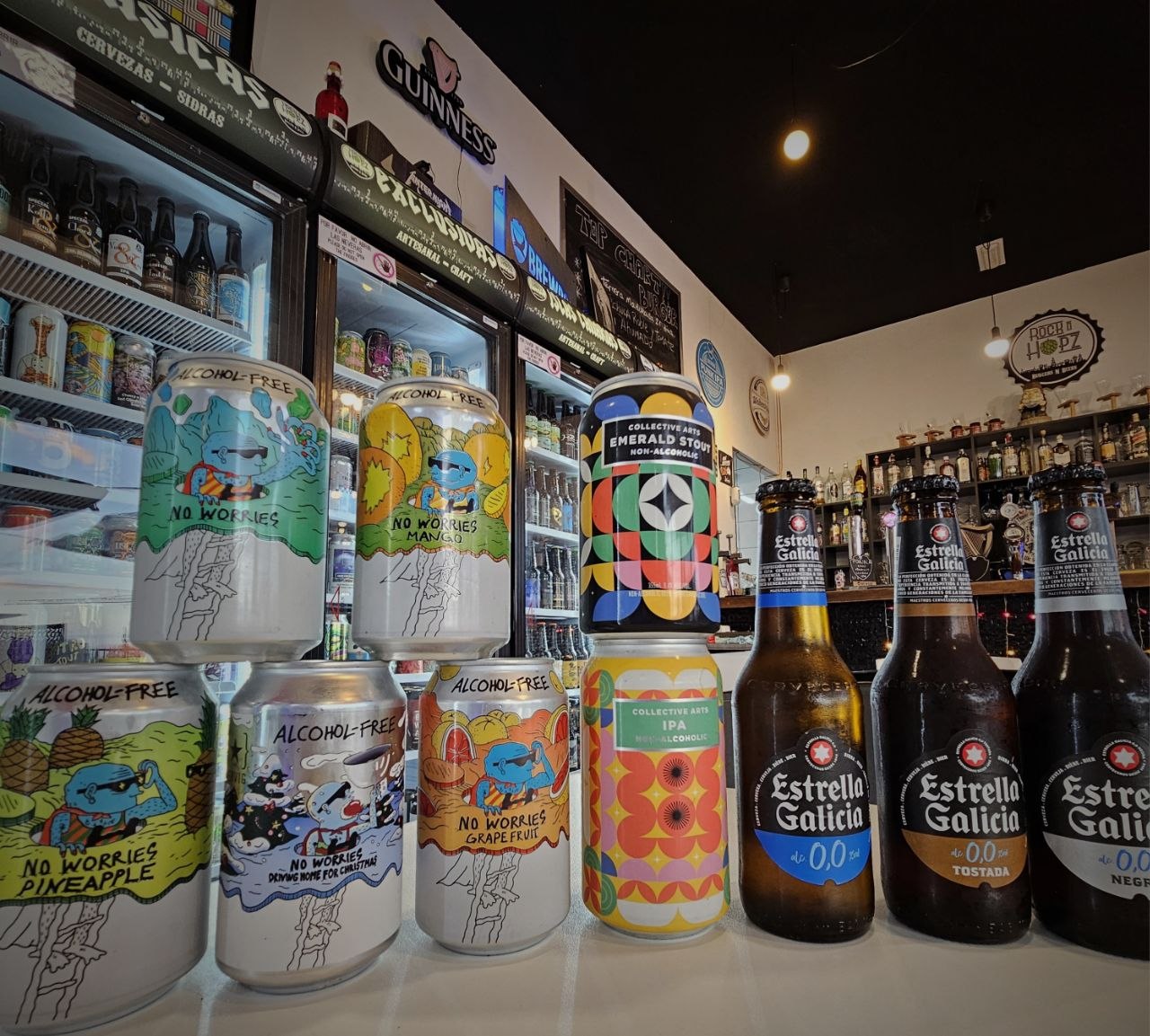
That explains why the big brands are pushing the category, but also why the craft world is on the move. Just having an industrial 0.0 to tick the box isn't enough anymore. There's more and more room for non-alcoholic beers with real character: toasty amber styles, dark beers, IPAs, sours, fruit beers, dark ales, and styles built for pairing with food, not just for “not drinking.”
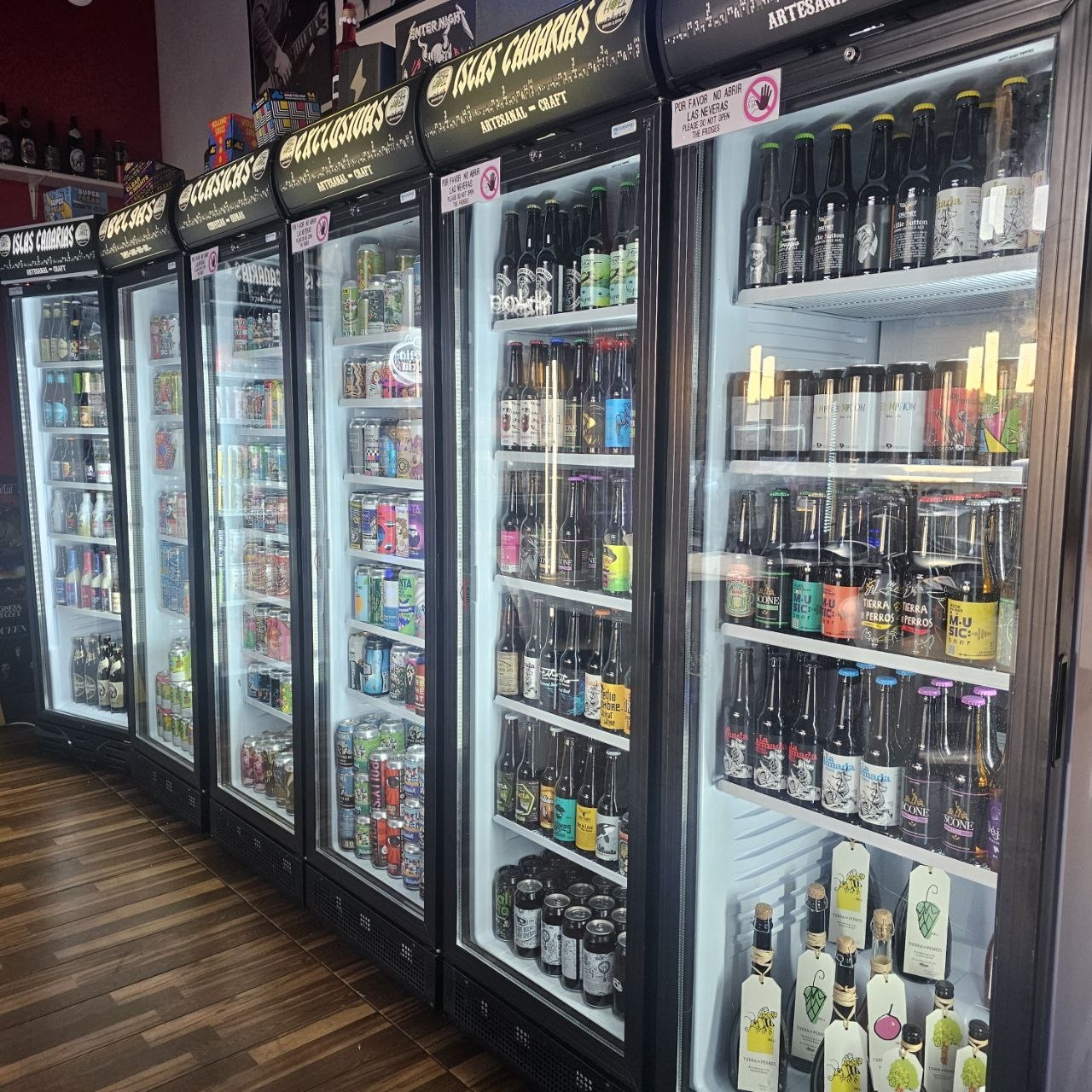
Hospitality Loses a Bit of Volume, but Gains in Discernment
EFEAgro reported on July 2, 2026 that per capita consumption dropped to 50.5 liters per person per year, with the industry pointing to inflation, costs, and changing leisure habits. Profesional Horeca also covered it this week: traditional consumption is taking the hit, while non-alcoholic beer gains ground.
That doesn't mean beer is losing its place. It means the customer is choosing differently.
In bars and restaurants, beer is still part of the aperitivo, the tapas, the afternoon drinks, and dinner. What's changing is the expectation: more options, more clarity, less autopilot. Non-alcoholic beer steps in right there, because it lets you keep the social ritual of ordering a beer without having to drink alcohol every single time.
The key line here is this: non-alcoholic beer isn't competing against traditional beer, it's competing against being left without a good option.
It's Not Just Spain: The Category Is Getting More Professional
The signal is coming from abroad too. In the United States, MarketWatch reported this week that non-alcoholic beer is no longer a joke for the big brewers, but a billion-dollar-plus opportunity. Food & Wine also covered the first North American Nonalcoholic Cup, a competition featuring more than 100 non-alcoholic drinks tasted blind.
That matters because it changes the quality bar. When a category starts competing seriously, it stops getting by on “well, not bad for alcohol-free.” It has to actually taste good.
And that's where it gets interesting for bars with a solid beer list: selecting, rotating, tasting, and explaining. A 0.0 blonde doesn't do the same job as a non-alcoholic stout. An alcohol-free IPA doesn't speak to the same customer as a radler. A tart fruit beer can suit a hot day better than a classic lager.
What This Means for Rock N Hopz
At Rock N Hopz we like beer with character. But character doesn't always mean more alcohol.
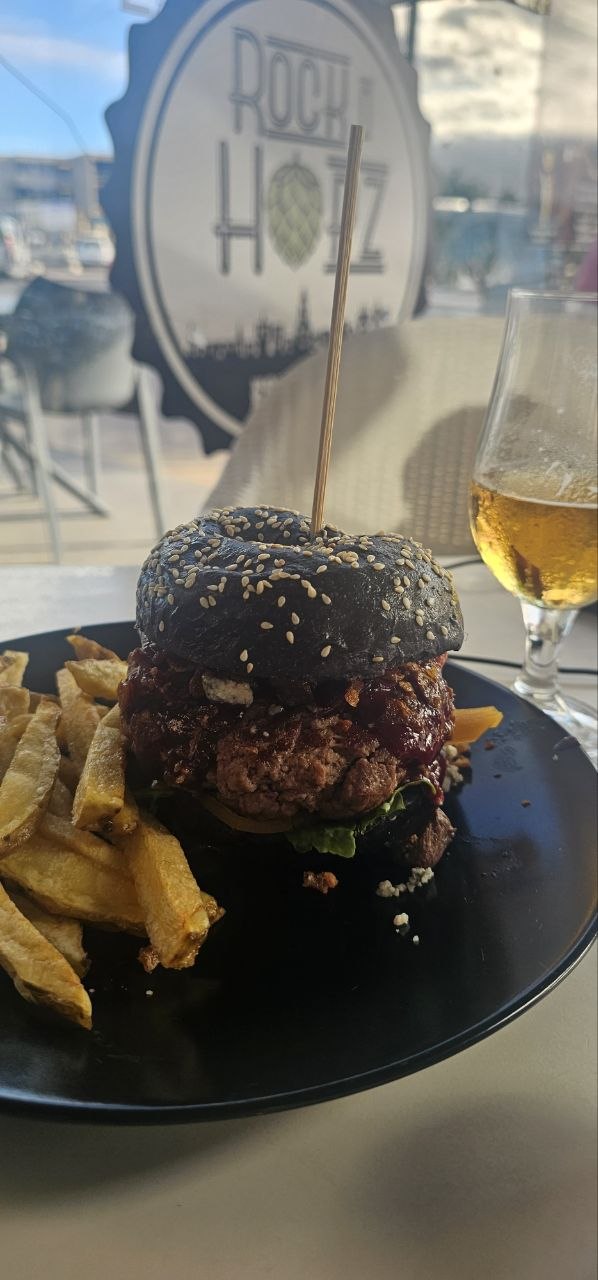
A good beer can be bitter, clean, toasty, tart, fruity, light, intense, or downright weird. It can also be alcohol-free. What matters is that it makes sense at the table: with a burger, with fries, in the heat, with friends, with family, with music, and with whatever plan you've got that day.
That's why we think this news matters. Not because we're about to turn into a 0.0-only bar. That's not what this is about. It's about understanding that the beer list has to serve more types of customers and more drinking occasions.
And If You Want to Pick One, We've Got a Separate Guide
This article is a sector news piece: what's happening with non-alcoholic beer in Spain in 2026 and why it's gaining ground in hospitality.
If what you want is to get practical and know what to order, we do have a specific guide for that: alcohol-free, 0.0, and gluten-free beer in South Tenerife. There we talk about styles, specific references, and beer list options at Rock N Hopz.
The underlying idea is simple: drinking better doesn't always mean drinking stronger. Sometimes it means choosing more thoughtfully. And if that choice comes in alcohol-free or 0.0 form, great. As long as it's got flavor, it's served right, and it fits the moment, it's in the game too.
Sources: Cerveceros de España, EFEAgro, Profesional Horeca, Cadena SER.